
• Skip to primary navigation
  • Skip to main content
  • Skip to footer
Arizona Sunrise Shih Tzu & Poos Logo

Arizona Sunrise Shih Tzus & Poos

Purebred Shih Tzu Puppies

  • Home
  • Program & Pricing
  • About
    • My Journey
    • Dams
    • Sires
    • Transportation
    • Contract
  • Nursery
  • Reserve
  • Blog
  • FAQs
  • Contact
  • More
    • Liver Shih Tzu Puppies
    • Shih Tzu Breed Information
    • Recommendations

Education

Benefits of Using a Food Rotation Diet With Shih Tzus

January 12, 2023 By Deanna

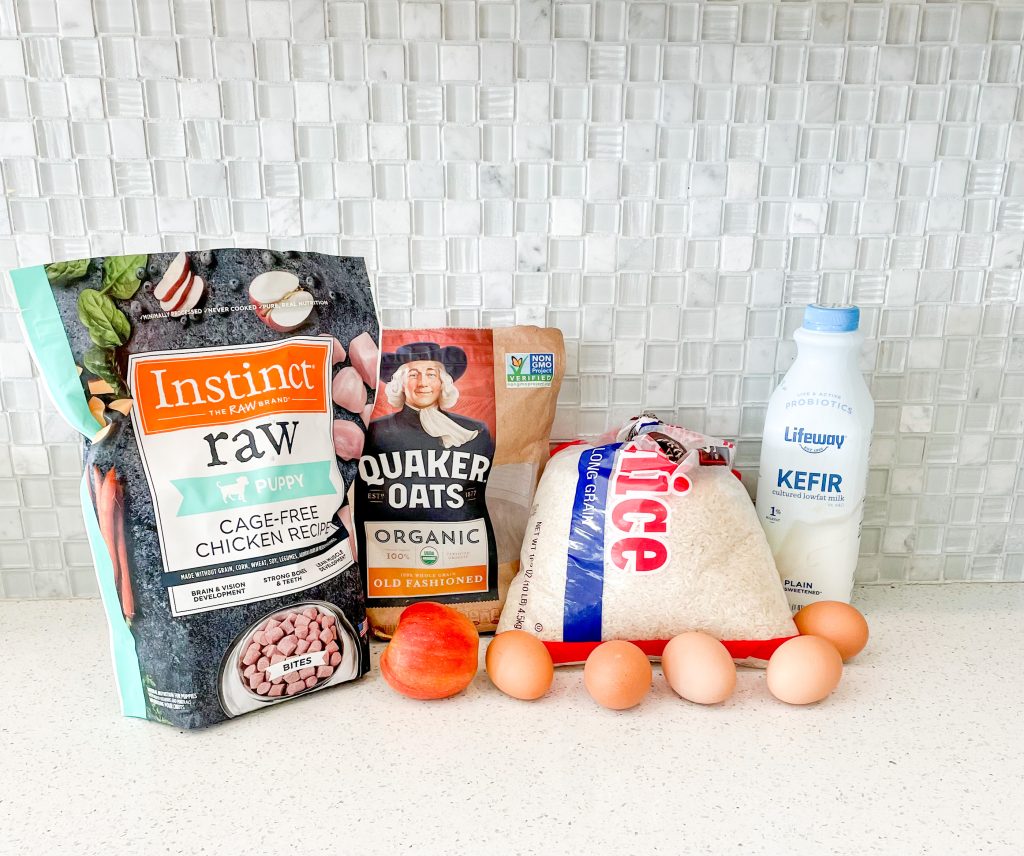
Foods I Include in a rotation Diet for my Shih Tzus.
Some of the food rotation options I use with my adult dogs and puppies.

Benefits of Using a Food Rotation Diet

There are many benefits to using a food rotation diet with your Shih Tzu. As a dog owner and a Shih Tzu breeder, I am a big advocate of a food rotation diet. I don’t know about you but I wouldn’t enjoy eating the same thing every day. Variety is a good thing! I know, some of you may be thinking aren’t you supposed to stick with one kibble and that is it. I’m here to tell you that is old-school thinking. There are so many benefits when it comes to using food rotation with dogs. 

True Story!

Let me share an example that will hopefully help get my point across. When I gave birth to my son who is now 21, I chose to nurse him. He often broke out into hives after nursing sessions. We took him to an allergy specialist. They did skin testing and we found out that he was severely allergic to over 10 different foods. I took those foods out of my diet while nursing and he did much better. The allergist told me I should avoid eating top-allergen foods while nursing my future offspring. I was also told to avoid feeding my children high-allergen foods until they were one to prevent a food allergy. 

Fast forward several years later, the same allergist let me know that new studies had come out that signified introducing babies to a variety of foods, even the top allergen foods early on to prevent food allergies. The allergist said that avoiding foods didn’t prevent food allergies and may cause them.

The moral of the story is that scientists are always learning new things. We cannot simply allow ourselves to stop learning and get stuck in past ideas. This is why I always try to continue my breeder education. Like any profession, we can always learn new things if we allow ourselves the opportunity. I owe it to the puppies to raise them to live up to be their very best!

Feel free to click here to check out the classes I have taken thus far to learn about proper puppy-raising protocols. I once had someone tell me it was simply common sense. I beg to differ! I constantly am learning new things by continuing my breeder education!

I have learned some important things about puppy rearing including proper pregnancy and whelping protocols, how to tube feed, the importance of socialization, how to temperament test, how to promote good gut colonization in puppies, etc. I take all that I learn and pour it into my breeding program. As a result, my future puppy owners are hopefully getting a Shih Tzu puppy that has been brought up on the latest good puppy-rearing practices.

Now back to the topic at hand, food rotating doesn’t just give your pet variety when it comes to diet. Food rotation also allows your dog to receive an assortment of nutrients. I’m here to tell you that not all dog food is created equally. There are so many different dog foods to choose from in today’s market. There is kibble, freeze-dried raw kibble, fresh food options, frozen food options, raw food options, the list goes on. Switching out foods daily, weekly, or monthly allows your dog to absorb a variety of nutrients through a rotation diet. 

Furthermore, rotational feeding may help prevent boredom and help with the fussy eater. Think about it, wild dogs don’t dine on the same thing every day. They may eat berries for one meal and a bird for the next feast. Boredom and fussiness when it comes to food may also lead to limited nutrient intake. Over time, limited nutrient intake may lead to health problems. A bored dog may also reach for unsafe items such as garbage which could become hazardous. A rotational diet will provide enough variety to hopefully satisfy the picky palette.

Changing up your pet’s diet may also help prevent allergies and food sensitivities by increasing good bacteria. Dogs with great gut microflora are less likely to suffer from allergies according to studies. I recently published a post on the importance of creating good gut colonization in puppies to enhance future health. Feel free to check out the blog post if you want more details. In a nutshell, dogs with diverse gut microbiomes are often healthier and have robust immune systems. A diverse diet helps lead to more beneficial good gut bacteria which in return may help prevent everything from ear infections to food sensitivities.

Some individuals worry that a food rotation diet may lead to stomach upset or loose stools. The key is to take it slow in the beginning. For example, maybe introduce one food a week. Once you’re certain the food isn’t a problem move on to something new. Gradually your dog will get used to the transitions which will make things easier next time around. To date, I haven’t had any issues when introducing a rotation diet to my puppies or dogs. The only time my dogs get an upset stomach is when they overindulge or eat something that wasn’t meant for them to consume. This is just my experience but I thought it would be reassuring.

If your lifestyle doesn’t allow for constant rotating then maybe rotate once a month. Start by maybe just switching out the protein once a month or when the kibble bag is empty. Next, move on to maybe trying a freeze-dried raw kibble or a fresh food option. You can also add creativity to your dog’s diet by putting different healthy toppers on your dog’s kibble. 

As you can see, there is a lot of versatility when it comes to creating healthy meals for your dog. I’m a firm believer in feeding our pets a quality rotational diet. It may cost a little more but is well worth the benefits your dog will reap. Our pets are our family! They should be treated as family members. Would you feed your family the same thing every day if you knew it wasn’t the best thing for them? I will end this post with that thought to ponder.
Share This Post
Previous

Are Prebiotics and Probiotics Good for Puppies?

Next

How to Prevent Chocolate Poisoning in Your Shih Tzu

Filed Under: Education, Nutrition, Uncategorized Tagged With: dog health

Are Prebiotics and Probiotics Good for Puppies?

January 10, 2023 By Deanna

Some probiotic rich foods that are good for Shih Tzu puppies.
Prebiotic and probiotic-rich foods

The Benefits of Using Prebiotics & Probiotics with Young Puppies

Good gut colonization is essential in young puppies. Prebiotics and probiotics are great at increasing good gut bacteria. Probiotics are of significant importance during puppyhood. Exposing puppies to a variety of foods that are rich in good bacteria helps to create good gut colonization in puppies according to studies. Studies have shown that good gut colonization in puppyhood follows the puppy into adulthood even if foods rich in probiotics aren’t offered anymore!

I recently took a class, “From Newborn to New Home” by the famous dog breeder and professional dog trainer, Jane Messineo Lindquist. Jane is also the author of the popular Puppy Culture videos and the book, “When Pigs Fly: Training Success with Impossible Dogs.” Jane is a powerhouse full of knowledge. She is one of the pioneers when it comes to puppy training, socialization, and proper puppy-raising protocols. After taking her class, I am very passionate about optimal gut health in puppies. All of the Shih Tzu puppies in my breeding program will receive prebiotic and probiotic-rich foods from this day forward.

Puppies should be introduced to prebiotic and probiotic-rich foods while they’re still young and under breeder care. The gut colonization window closes sometime during puppyhood. Nobody knows when the window closes so it is great for breeders to take advantage of this wonderful opportunity.

I have given prebiotic and probiotic-rich foods with my past litters. After taking this class I am going to offer a lot more foods that enhance the gut microflora. Dogs with good gut colonization have more robust immune systems and better behavioral health according to studies. Why wouldn’t I want to incorporate good gut colonization in the Shih Tzu puppies I raise in my breeding program?

Let me just tell you how grateful I am that I took Jane’s class. Otherwise, I would never have stumbled upon the importance of gut colonization in puppies. This is exactly why I feel it is important to continue my breeder education. I am always learning new things that I can incorporate into my responsible breeding program.

By introducing the puppies to prebiotic and probiotic-rich foods, I’m not only enhancing good gut colonization in the puppies, I’m also introducing them to novelty. Novelty doesn’t have to just be exposing puppies to a new item each day. It can also include exposing the puppies to different food items as well. By introducing different foods puppies get to use their senses to discover. They are introduced to new textures, new flavors, new scents, etc.

Some of the prebiotic and probiotic foods the puppies will taste while under my care include:

  • Raw goats milk
  • Pureed Pumpkin
  • Oatmeal
  • Cooked rice
  • Potato
  • Plain Greek Yogurt
  • Kefir

Prebiotics are a type of fiber that helps increase good gut bacteria to prevent harmful bacteria from hijacking the immune system. A weak immune system is prone to illness. Prebiotics are essentially food for the probiotics. Prebiotics supercharge the probiotics which in return leads to better health outcomes.

Prebiotics and probiotics have been shown in studies to decrease the following:

  • Odorous breath
  • Dry skin
  • Loose stools
  • Ear infections
  • Allergies
  • Parasitic infections
  • Vomiting

One may ask what they should do if their dog has already reached adulthood and the gut colonization window has closed. In this case, it is still a good idea to offer prebiotic and probiotic-rich foods. Make sure to go slow if it is the first time your dog has been introduced to the food to prevent stomach upset.

The difference is that you will need to offer prebiotic and probiotic-rich food sources or a probiotic supplement daily. To reap similar benefits after puppyhood good bacteria need daily replenishment. Puppies that already have robust gut colonization due to early prebiotic and probiotic implementation may not need to supplement daily to reap the same benefits. 

Please don’t panic if your dog doesn’t receive prebiotics and probiotics as a puppy. Most of my adult dogs didn’t either and they’re very healthy. My goal as a Shih Tzu breeder is to do everything in my power to give the puppies the very best start in life. Good gut colonization is simply another novel way for me to give the puppies a head start.

Share This Post
Previous

Flying Home Safely With Your Shih Tzu Puppy

Next

Benefits of Using a Food Rotation Diet With Shih Tzus

Filed Under: Education, Health Tagged With: dog health, puppy health

Flying Home Safely With Your Shih Tzu Puppy

January 8, 2023 By Deanna

A liver Shih Tzu puppy wearing a reindeer costume.
Flying home with a puppy doesn’t have to be frightening!

Is Flying Home with a Puppy Safe?

What happens if you find an amazing and responsible Shih Tzu breeder but he or she lives in another state? If properly executed travel arrangements are in place there should be little reason the puppy couldn’t travel in the cabin to his or her new destination. Due to a Shih Tzu’s small size, they’re usually great travel companions. 

I allow puppies from my breeding program to travel in cabin to their new homes as long as the trip isn’t too long. Usually, the owner-to-be flies to the airport closest to my home or I meet them at the airport. If my clients prefer, my husband or I fly with the puppy in the cabin to the puppy’s new home destination if our schedules allow. We’re close to the Phoenix Sky Harbor International Airport- https://www.skyharbor.com/.

I don’t currently use a flight nanny although I’m sure there are some great flight nannies out there. The reason is, that I like to meet the families that are taking my Shih Tzu Puppies home. I raise these puppies from the day they take their first breath. It is impossible to not fall in love with each puppy that is brought up in my home. Meeting the families that will care for them for the rest of their lives provides closure and is very reassuring to me as a Shih Tzu breeder.

I don’t ever under any circumstances allow any of the Shih Tzu Puppies from my breeding program to fly in cargo. Shih Tzus are a brachycephalic breed. This means they’re prone to breathing issues. I wouldn’t feel comfortable taking the risk even if it were a small one. Furthermore, I work hard to properly socialize every puppy in my breeding program. Sticking a puppy in a crate by itself under an airplane would be traumatizing in my opinion. 

It is essential when booking your airline ticket that you let the airline know that you will be traveling with a puppy. Also, if possible make flight accommodations as soon as possible. Some airline carriers only allow a certain number of pets on each flight. It is wise to make sure your Shih Tzu breeder sends home vaccination records as well. Many airlines will want to see proof of vaccination. Some airlines may require other documents such as a health certificate so check ahead to find out what your airline requires. 

Your puppy may likely need to go to the bathroom before you reach your destination. I recommend putting a couple of potty pads on the ground in the bathroom stall for potty breaks. Use the harness and leash if needed. Simply place your puppy on the pads in the bathroom stall every couple of hours to see if he or she needs to go potty. Make sure to only let your puppy step where you have put the potty pads for sanitary reasons. This is why I recommend a couple of potty pads. Bathrooms aren’t the cleanest places. 

This method is the safest way not only for long trips but for puppies traveling in general. Puppies have an underdeveloped immune system. Most puppies aren’t done with their puppy vaccinations by the time they fly home. This puts the puppy at risk for contracting a disease such as Parvovirus which can be deadly. I always tell my clients to keep all four paws off the floor until the vaccine series is complete. If you let your puppy walk in a place where an animal with unknown vaccine status may have walked you put your puppy at risk.

Unfortunately, you most likely won’t be able to remove your Shih Tzu puppy from the travel bag during the flight. It would be awesome if your puppy could ride on your lap for comfort but this isn’t the case. But, you’re usually able to open the bag a little bit and pet your puppy for comfort. Be sure to put the blanket with Mom and the littermates’ scent in the travel carrier if the breeder provided you with one. If not, it doesn’t hurt to ask for a blanket with mom’s scent before the puppy pick up.

Also, I suggest packing an interactive toy and a chew toy to keep your puppy busy. A stuffed Kong will occupy your puppy for quite some time. If the puppy starts to get anxious try to head to the bathroom for a potty break. If this doesn’t work offer a small treat or a small meal if it is meal time. You can also talk with your Veterinarian about medication options to have on hand just in case. I feel it is best to try natural anxiety relief before reaching for medication in such a small puppy. 

I suggest packing the essentials below if you plan on flying home with your new puppy:

  • A soft-sided well-ventilated crate. Make sure to check with your airline in advance in regards to crate dimensions. Also, it is a bonus if your Shih Tzu breeder acclimates your puppy to a travel crate before the go-home day.
  • A collapsible food bowl for feeding your puppy.
  • Puppy food for meal time if it is a lengthy trip.
  • Treats to establish a positive rapport.
  • A couple of chew toys or interactive toys to keep the puppy busy.
  • A soft blanket for the crate to keep the puppy cozy. Ideally, your Shih Tzu breeder will send home a blanket that smells like Mom and littermates.
  • A travel water bottle and bowl if one isn’t attached for water breaks. You will have to empty and refill the water bottle to go through baggage claim.
  • A harness for your puppy.
  • A leash for potty breaks.
  • Nutri-cal or honey for low blood sugar prevention if your puppy is too nervous to eat. 
  • Puppy wipes in case your puppy gets nervous and vomits.
  • Poop bags for cleaning up after potty breaks.
  • Potty pads for potty breaks.
  • Small ziploc bags. You may need to fill a bag with ice if it gets too hot on the plane. 
  • Puppy vaccine records from the breeder.

I truly hope your flight with your new puppy goes smoothly. Try to remain calm and patient during the trip. Animals can sense human emotions. If you’re nervous your puppy will most likely be nervous. Remember that the flight is only temporary. In no time at all you will be home making wonderful memories with your new Shih Tzu puppy. 

Share This Post
Previous

Tips for Traveling with your Shih Tzu Puppy

Next

Are Prebiotics and Probiotics Good for Puppies?

Filed Under: Education, Safety Tagged With: Dog safety, new puppy

Tips for Traveling with your Shih Tzu Puppy

January 6, 2023 By Deanna

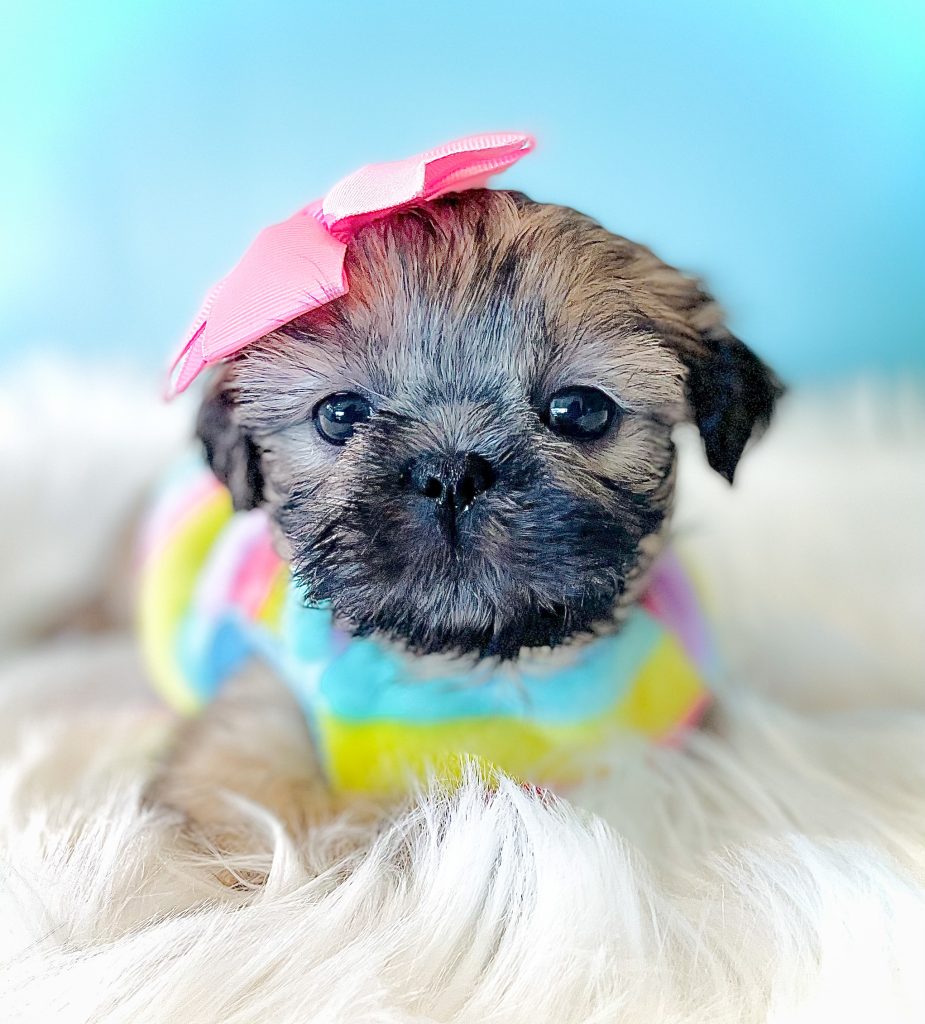
A sable Shih Tzu puppy wearing a multi-colored striped sweater and a pink bow.
Shih Tzus are Perfect Travel Companions

Do you plan on traveling with your Shih Tzu puppy often?

Traveling with your new puppy doesn’t have to be an anxiety-provoking experience. If you properly plan and have a travel plan in place things are bound to go more smoothly. The first thing you will need to consider is what supplies you will need to gather to help your puppy have a comfortable trip. 

I suggest the following supplies when traveling by car with a young puppy:

  • A soft-sided well-ventilated travel carrier or a car seat for dogs. Make sure the carrier is big enough for your pet to move around and get comfortable.
  • A harness that can be attached to a leash or car seat.
  • A short leash for bathroom breaks.
  • A food bowl for feeding your puppy.
  • Puppy food for meal time if it is a lengthy trip. Pack extra food just in case there are any delays.
  • Treats to establish a positive rapport.
  • A couple of chew toys to keep the puppy engaged.
  • A stuffed Kong to prevent low blood sugar.
  • A soft blanket to keep the puppy cozy during travel. I send all my Shih Tzu puppy parents home with a blanket that smells like Mom and littermates.
  • A travel water bottle or a bowl for water breaks. 
  • A first aid kit for emergencies. Click here to read more about what I recommend putting in your pet’s first aid kit.
  • Puppy wipes in case your puppy has an accident.
  • Bags for cleaning up.
  • Potty pads for potty breaks.
  • Puppy vaccine records from the breeder.
  • A collar with identification tags. I microchip all of the puppies in my responsible breeding program as well.

Once you have your supplies ready it is time to come up with a plan of action to get your new puppy safely home. The first thing you will need to brainstorm is where your puppy will be eliminated. Puppies don’t have very large bladders and may not be able to hold it the entire trip. The biggest concern that you will want to avoid is Parvovirus and other pathogens that your puppy could be exposed to during the trip home. 

Puppies receive vaccines every 3-4 weeks until they’re approximately 16-18 weeks old. Nobody knows for certain when the puppy will receive full immunity against serious viruses such as Parvovirus. This is why puppies receive more than one shot in the first place. It only takes one vaccine to protect against diseases such as Parvovirus. But, mom’s antibodies from nursing sometimes interfere with the process and prevent the vaccine from being effective. This is why puppies receive a series of shots spaced apart. 

Most puppies go to their forever homes before they reach 16-18 weeks. This means proper precautions must be in place to keep the puppy free of disease. I recommend taking your puppy potty every two hours on the trip home. This may seem like a lot but it will hopefully keep the puppy from having an accident.

Furthermore, holding it for too long can lead to urinary tract infections. I suggest seeking out a place where it is unlikely that other dogs that may not be fully vaccinated have stepped foot. Then attach the leash to your puppy’s harness. Place down a few potty pads for your puppy to potty. Make sure to cover enough area with pads so that your puppy’s paws won’t have contact with the ground underneath. The leash will help you keep the puppy on the pads rather than sniffing around where other dogs have been. When your puppy finishes going potty simply wrap up the pads and throw them away. 

Now that you have a plan for potty breaks out of the way consider how you will keep your puppy busy. I always suggest that more than one human comes to pick up the puppy. This allows the human who isn’t driving to comfort the puppy if the puppy becomes nervous. I also suggest bringing some chew toys for the road. A stuffed Kong can be a lifesaver on a road trip. 

Be sure to pack kibble, treats, water, and the necessary bowls to feed and water your puppy. I always recommend sticking with the kibble your breeder was feeding the puppy until you get home. It isn’t a good idea to change food on a road trip. I always send the puppies in my Shih Tzu breeding program home with a couple of days’ supply of kibble and some of their favorite treats. Also, make sure to ask your breeder how often you should feed the puppy. Below is the feeding schedule I recommend for my Shih Tzu Breeding Program.

Puppy Feeding Schedule

AgeToy/small breed
8 weeks4 times a day
12 weeks3 times per day
16 weeks3 times per day
3 months 3 times per day
6 months3 times per day
8-12 months2-3 times per day 

If you’re super concerned that your puppy will be anxious on the trip you can always talk to your veterinarian about calming supplements. But, I would only use them as a last resort. If the puppy is too calm he or she may be too groggy to eat or drink which could lead to a low blood sugar spike. Low blood sugar also known as hypoglycemia is much more dangerous in a young puppy than a bit of anxiety.

I would opt for chew toys and interactive toys first. Also, a blanket or a toy that smells like Mom and littermates is a great comforting tool. I send all my puppy parents home with a blanket and toy that smells like mom and littermates. You can also invest in a snuggle puppy for the road trip. The heartbeat is often very comforting to young puppies.

Make sure your puppy is properly restrained in the vehicle while moving. A travel crate is a must for traveling. If you’re not going to use a travel crate then at least have your puppy secure in a dog car seat. Would you leave one of your young children in a moving car without a buckle? I hope not. If you’re in a crash your puppy could be flung from the vehicle and seriously hurt from the forceful impact. Furthermore, your puppy is more likely to run away after a car crash as a survival mechanism. The good old flight response may kick in. 

Finally, have fun! How exciting! You’re bringing your new puppy home. Puppies feed off of our emotions. If you’re calm and happy during the car trip hopefully your puppy is less likely to be anxious. 

Share This Post
Previous

Tips for Introducing a Senior Dog to a Puppy

Next

Flying Home Safely With Your Shih Tzu Puppy

Filed Under: Education, Safety Tagged With: Dog safety, new puppy

Tips for Introducing a Senior Dog to a Puppy

January 4, 2023 By Deanna

Are you wondering how to introduce your senior dog to your new puppy? Bringing home a new puppy is a very exciting time for puppy owners. But, if you already have a senior dog residing in the home there are precautions you can take to help the process go more smoothly.

Below I will go over some tips that will hopefully lead to a lifelong friendship for both dogs. Remember to be patient and give the two dogs time to form a relationship. For additional tips for success make sure to check out my post, “How to Safely Introduce two dogs to each other.”

Tips for Success:

  • Until both dogs have had a chance to develop a well-defined relationship owners must give attention to the older dog before focusing on the younger dog when greeting. 
  • Always supervise the puppy when he or she is in the presence of the older dog until you’re certain the two dogs have developed a good relationship.
  • Use a leash until both dogs have warmed up to each other. Puppies are jumpy. The leash will help prevent your puppy from jumping on your senior dog. If both dogs are off-leash make sure the senior dog has an escape route if he or she has had enough.
  • Give your senior dog breaks from the puppy. One-on-one attention away from each other is a healthy way to spend quality time with each dog.
  • Try and find some exciting games to see if you can get both dogs to interact with each other positively.
  • Allow both dogs to slowly establish their relationship safely.
  • Purchase some separate toys and chews for each dog. Allow the dogs to have some alone time with their toys.
  • Feed both dogs separately until they have had a chance to develop a relationship.
  • Praise both dogs for being calm around one another. 
  • Teach your puppy basic commands right away to control behavior.
  • Hire a professional dog trainer if issues arise. 
Share This Post
Previous

Why is my Puppy Vomiting?

Next

Tips for Traveling with your Shih Tzu Puppy

Filed Under: Education, Safety Tagged With: Dog safety, new puppy

Why is my Puppy Vomiting?

January 2, 2023 By Deanna

The time will most likely come when your beloved puppy will vomit. It happens to almost all dog owners at some point in time. Vomiting can be alarming for the first-time pet owner. Vomiting is an even bigger concern if you’re dealing with a young puppy. Puppies are much more vulnerable compared to adult dogs due to their small size and immature immune system. 

Below, I will go over some of the common reasons that puppies vomit. Please remember to contact your veterinarian right away if your puppy is vomiting frequently, displaying lethargy, and not taking in enough food and water. These are symptoms that need to be addressed by a veterinarian right away!

Common reasons for puppy vomiting:

  • The puppy ate something that didn’t agree with his or her stomach. Puppies are notorious for getting into everything! If your puppy ate something rotten or toxic he or she will likely vomit. There are a great deal of human foods that are toxic to dogs. Food items such as chocolate, xylitol, avocado, onions, and grapes are poisonous to dogs and may lead to sickness and even death. It is essential that puppy owners safety-proof the home and always watch over their puppy. If you’re not able to supervise the puppy then he or she is safer in a playpen or gated-off area. Also, take time to educate yourself on items that may be toxic to your puppy before you bring him or her home. Check out my post on safety-proofing the home before you bring your puppy home.
  • Puppies may vomit if they have an empty stomach. Small-breed puppies should never go too long between meals. Make sure your puppy is eating enough at breakfast, lunch, and dinner. If the puppy isn’t eating enough you may consider offering an extra meal or free feeding until the puppy is well acclimated to his or her new home. Also, offer a small snack before bedtime to prevent an empty tummy. Puppies may vomit yellow bile if they are suffering from an empty belly for too long. This is a common occurrence in the morning when the stomach has been empty for some time overnight.
  • The puppy has contracted a viral infection. Viral infections like Parvovirus are very serious in puppies. This is why I recommend that all clients who purchase a Shih Tzu puppy from my breeding program avoid taking their puppy to places where there may be unvaccinated animals until the puppy vaccine series is complete at 16-18 weeks. 
  • The puppy has contracted intestinal parasites. Puppies should be dewormed along with puppy vaccines to prevent parasites. A parasitic infection may lead to vomiting in a young puppy.
  • The puppy is suffering from heatstroke. I am a Shih Tzu breeder. Shih Tzus are a brachycephalic breed. Brachycephalic breeds and heat don’t mix. Puppies in general must have plenty of shade and water on hot days. Heat stroke can cause vomiting and may prove deadly in dogs.
  • The puppy swallowed a foreign object. If your puppy swallows a toy or a rock this could cause vomiting. This is considered a medical emergency. The object could cause a serious intestinal blockage. It is important to always supervise your puppy to prevent this type of emergency.

Puppy owners must try and figure out the cause of vomiting when possible. Minor, single-episode cases of vomiting can usually be treated at home. Make sure to offer your puppy plenty of water or an electrolyte solution that is safe for dogs to prevent dehydration. I use Puppylyte as my go-to electrolyte replacement solution whenever I’m faced with dog vomiting or diarrhea. You can purchase Puppylyte on Amazon. 

Please remember, if your puppy has thrown up several times or is lethargic and refusing fluids to contact your veterinarian right away. Your puppy may need intravenous fluids, antibiotics, or surgery in the case of an intestinal blockage. As I mentioned before, puppies can fade fast due to their small size and underdeveloped immune system.

Share This Post
Previous

How to Clip your Shih Tzu Puppy’s Toenails

Next

Tips for Introducing a Senior Dog to a Puppy

Filed Under: Education, Health Tagged With: dog health, puppy health

  • « Go to Previous Page
  • Page 1
  • Interim pages omitted …
  • Page 4
  • Page 5
  • Page 6
  • Page 7
  • Page 8
  • Interim pages omitted …
  • Page 15
  • Go to Next Page »

Footer

(480) 645-5553

Quick Links

  • FAQs
  • Shih Tzu Breed Information
  • Contract
  • Program & Pricing
  • Recommendations

Follow Us!

© 2026 • Arizona Sunrise Shih Tzus & Poos • All Rights Reserved • Website Design by Pixelvine Creative
  • Home
  • Program & Pricing
  • About
    ▼
    • My Journey
    • Dams
    • Sires
    • Transportation
    • Contract
  • Nursery
  • Reserve
  • Blog
  • FAQs
  • Contact
  • More
    ▼
    • Liver Shih Tzu Puppies
    • Shih Tzu Breed Information
    • Recommendations